All articles
The Future of PR Looks More Fractional, Flexible, and Human
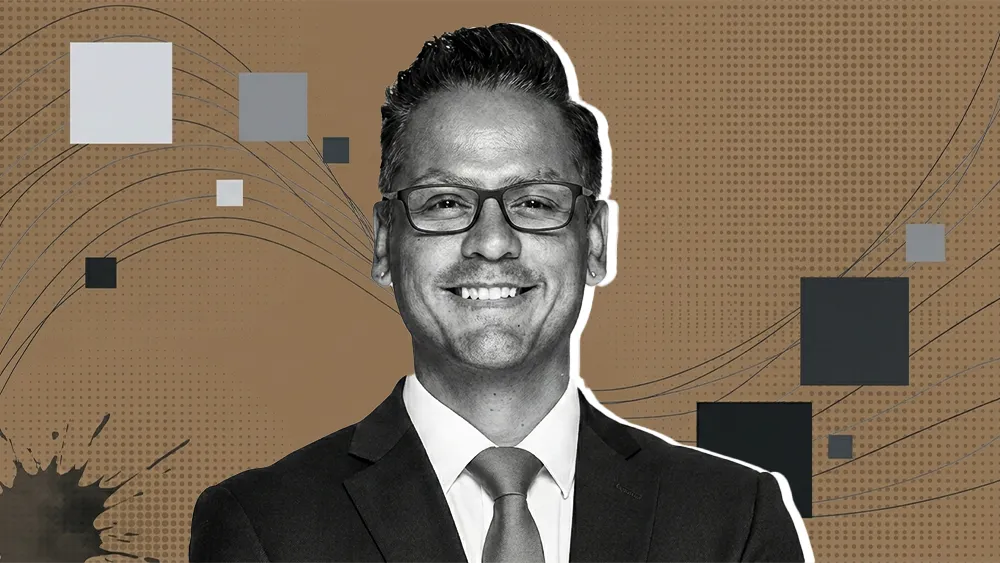
Gabe Plesent, Founder and Principal of Press Play Media, explains how AI is reshaping PR talent models and elevating the role of human-led communication.
By leveraging AI and fractional talent, we can tailor teams to specific projects, move faster than traditional agencies, and deliver quality work that aligns with a client’s strengths and mission.
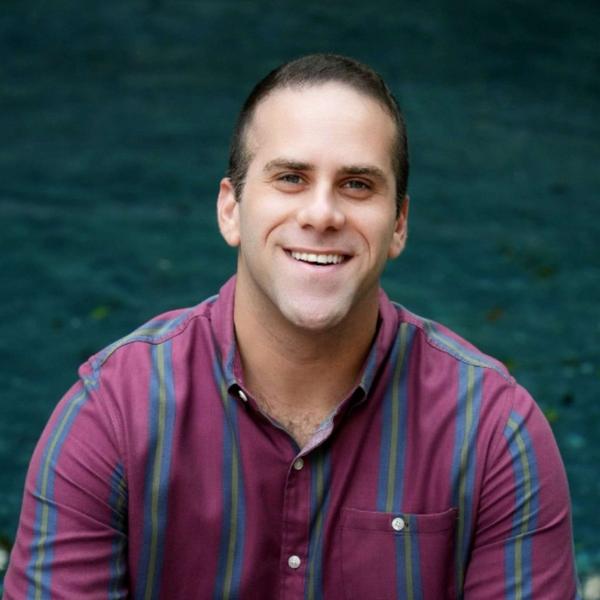
Gabe Plesent
Artificial intelligence is quietly restructuring the public relations industry by automating routine tasks once handled by junior employees. This newfound efficiency is leading some agencies to shrink their headcounts, which in turn is pushing more senior professionals into agile freelance and consulting roles. The cumulative effect is changing how PR services are delivered, as giants like Publicis see their growth now driven by AI strategy and competitors like WPP empower brands to create their own ads.
This new reality is exactly where you’ll find Gabe Plesent, Founder and Principal of Press Play Media. A Zenith Award Rising Star for 2025 with a track record of representing disruptive brands like MIRROR, Dollar Shave Club, and Curology, his practice is built on the belief that the industry must evolve with the times. "By leveraging AI and fractional talent, we can tailor teams to specific projects, move faster than traditional agencies, and deliver quality work that aligns with a client’s strengths and mission," Plesent explains.
Posting vs. persuasion: The ease of generating endless content with AI has created a new challenge in the market. For many modern C-suites, the primary goal is now manufacturing trust, a quality that cannot be automated. In turn, this increases the value of authentic, human-led communication and creates a clear opportunity for a new model of PR. The trend comes as financial pressures on PR firms mount and a general backlash to AI hype continues to build, pushing brands to find a more credible balance. "You can't just post your way to gaining trust. Building real trust with consumers, partners, or investors has to be earned through independent, third-party validation from unpaid media that can lift the covers without any quid pro quo."
In response, many savvy brands are "trimming fat" and turning to a new class of independent professionals. The model Plesent implements at Press Play Media flips the traditional agency structure on its head: instead of fitting clients to a pre-existing team, he first secures the client and then sources a "tailor-made" team of freelance specialists. Such an approach avoids the common agency constraint of being "bound by the team they have," which can make it difficult to fit the puzzle piece correctly for a client's needs.
The inside advantage: Plesent's strategy is designed to allow contractors to do more thoughtful work and take the time needed to find the right editor, podcast, or producer for a client. The freelance model enables a level of partnership and deep integration difficult to achieve in a large agency setting. "Brands will increasingly seek out smaller consultants who can achieve a level of integration that agencies often can't, like sitting in weekly marketing meetings or getting access to internal white papers," he says.
Free agents: Plesent describes this change as a fundamental joining of forces reshaping the communications field. He attributes the rise of independent talent directly to the shortcomings of the traditional agency structure. "We're seeing a rise of free agent talent, quality, VP-level people who have left agencies, because clients are rejecting the outdated, high-cost, and slower model. It's a convergence of the gig economy, AI tools, and an evolving PR industry."
A surprising outcome of this futuristic inflection point is a renewed emphasis on "old-school" tactics. Plesent's rationale is that press releases and earned media feed the new AI-powered search platforms with the authentic material consumers use for due diligence. Success in this new environment will likely depend on the ability to integrate timeless human skills with a modern tech stack. "I'm bullish on PR as an industry, but not on reverting to how things were ten years ago," says Plesent. "The industry is changing, and we have to adapt by using the tools at our fingertips to best serve client needs."