All articles
How Yum! Brands Uses An Integrated Comms Collective To Operationalize A CEO Mandate Across 160 Countries
Andrea Whitney, Chief Communications and Community Impact Officer at Yum! Brands, on turning CEO priorities into action across employees, franchisees, and investors.
Comms today is no longer a support function. It's really a partner in achieving the objectives that the CEO and business leaders are working toward.
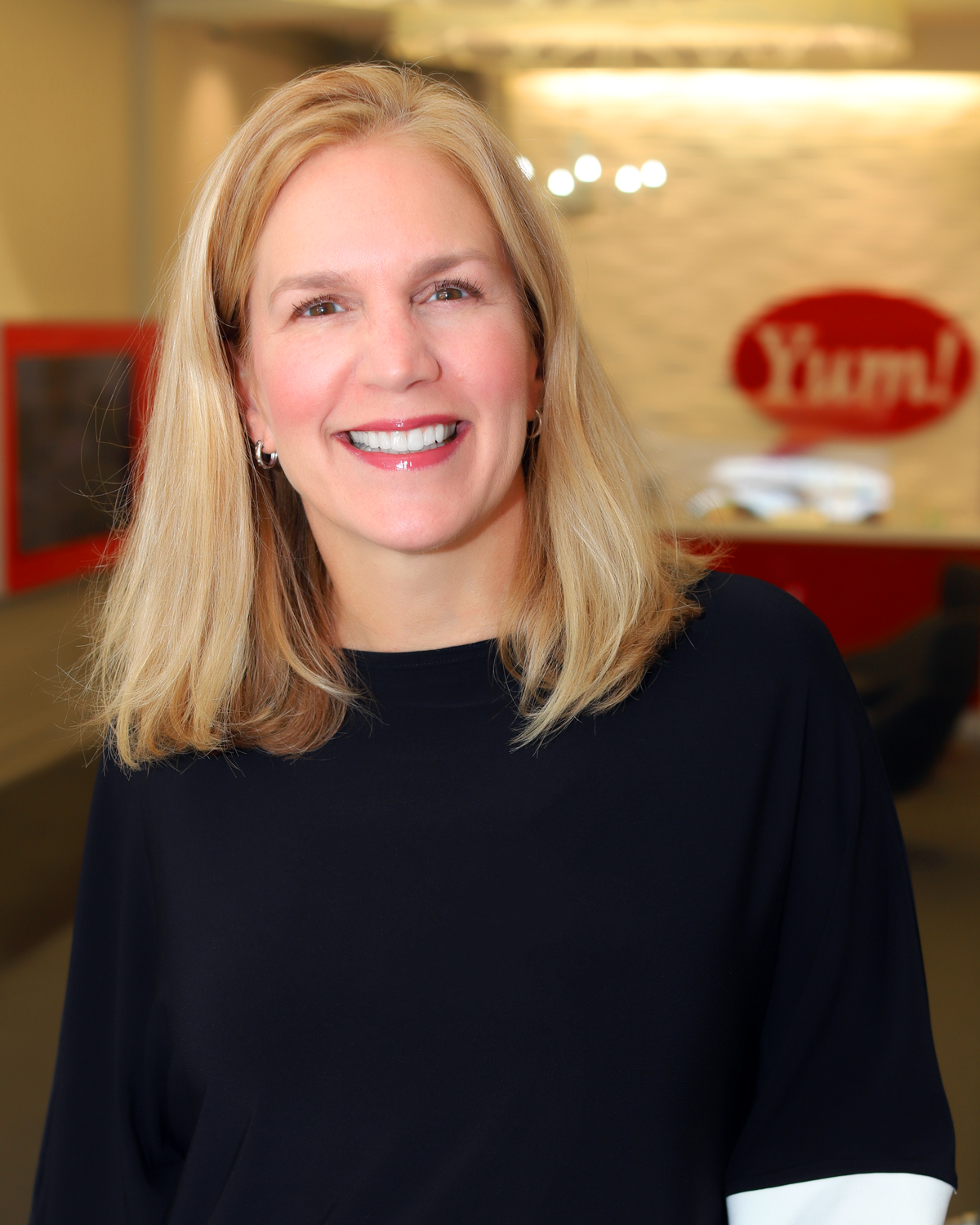
Andrea Whitney
The function once measured by press releases sent and talking points cascaded is now expected to sit at the strategy table from day one, shape how a CEO's priorities get framed, and operationalize alignment across every audience that touches the business. That shift is sharpest during inflection points like a new CEO, a new growth plan, or a redefinition of where the company is heading next. The work is now about making the strategy digestible, repeatable, and actionable across markets, brands, and stakeholder groups that consume information through wildly different channels.
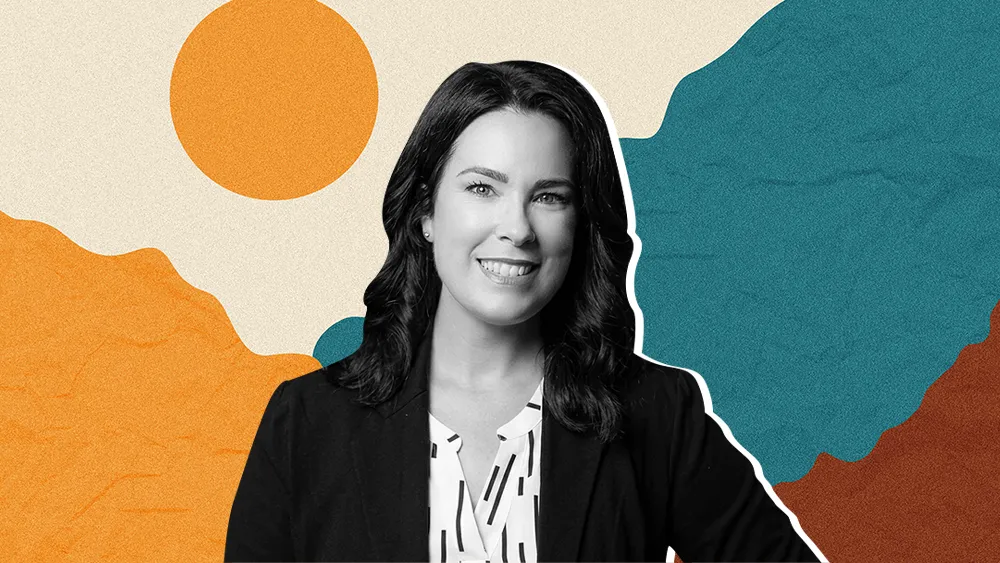
Andrea Whitney has watched that evolution unfold firsthand. As Chief Communications and Community Impact Officer at Yum! Brands, she leads internal and external communications, creative services, multimedia, events, and issues and crisis management across KFC, Pizza Hut, Taco Bell, and Habit Burger & Grill, and serves as President of the Yum! Brands Foundation. She joined Yum! in 2013 after nearly two decades in comms consulting and has now guided the company through three CEO transitions, including the 2025 elevation of Chris Turner and the rollout of his 'Raise the B.A.R.' growth priorities. That vantage point shapes how she defines the function itself.
"Comms today is no longer a support function. It's really a partner in achieving the objectives that the CEO and business leaders are working toward," she says. For Whitney, that partnership begins when the strategy is still being shaped, and comms is helping translate ideas into something an organization can absorb.
A seat at the table, starting on day one
When Turner stepped into the Yum! CEO role, Whitney's team was involved from the earliest framing of the Raise the B.A.R. priorities. Collectively, they serve as a multi-year plan organized around battling for the future consumer, accelerating restaurant unit economics, and reaching the full potential of Byte by Yum!. The overarching goal is to help build the connective tissue between what leadership wants to accomplish and how every constituency understands their role inside it. Whitney describes the process as co-creation rather than translation, with leadership interviews feeding the messaging architecture and comms ensuring it could travel. "We're in over 160 countries, so the amount of diversity that exists across our ecosystem is significant," she says. "We're very complex and 24-7 in terms of how things are operating. So we have to make sure that we're distilling that information."
The internal vehicles built to carry the strategy reflect that complexity. Ticker Talk, a new format that follows every earnings call, brings the CFO and CEO together in what runs more like a video podcast, with an employee on the sidelines pressing for plain-language explanations of EBITDA shifts and headline numbers. The Chat, held in alternating months and rotated across global locations, pulls in executives from around the world for broader business updates. "All of it ladders into Raise the B.A.R.," Whitney says, noting that both initiatives are designed to make strategy feel inspiring and reachable rather than abstract.
The comms collective
Whitney rejects the idea that communications is defined by a reporting line. At Yum!, comms practitioners sit inside marketing, inside the communications function, and inside operations, depending on the audience they serve. What unites them, she says, is a shared mandate to protect reputation and operate as strategic advisors. "How does the comms collective come together to protect and build the reputation? And then how is it that we become the strategic advisor and the trusted voice?"
Subsets of the collective meet weekly in "stand-up" status meetings and integrated content sessions, scanning what's happening this week, next week, and across the global context. The team is structured for the reality that audiences no longer respect channel boundaries. A LinkedIn post can function as internal communication for some employees and external communication for others. An Axios story can reach franchisees before a press release does. The integration is meant to prevent the internal team from learning about external news the same way the public does.
The same logic applies to brand voice. With four iconic brands operating across distinct cultural contexts, central messaging cannot be so uniform that it strips out personality. Whitney describes it as the power of "and." Every brand reaches for the same enterprise goals, but the path and tone belong to each brand's leader and market. "We don't want to dilute any messages that need to get out there with rules about how you have to say it, but we want to make sure we're all connected," she explains.
AI as the operating layer
If the comms mandate has expanded, the team has not. Whitney's answer to that pressure is to treat AI as the partner that makes the new mandate scalable, not as a replacement for the judgment, tone, and trust that remain human work. Her team uses AI to upload past press releases and earnings scripts, then pressure-test the anticipated media questions, the headlines a release is likely to generate, and the gap between intended and received messages. The team has built an AI agent for org announcements, a notoriously labor-intensive workflow in a company that prides itself on welcoming new talent with care. The agent partners with functional teams to deliver consistent voice and speed, while humans verify the substance before anything goes out. "The idea is keeping the human, but speeding up the process and making it easier."
Every member of the comms team carries an AI goal this year that ties back to the team's word of the year: elevate. The expectation is not that AI will replace comms work, but that it will free practitioners from routine output so they can spend more time on the thinking work that defines the function's new role.
Measurement that looks forward, not back
The final piece of the operationalization story is measurement. Whitney is candid that the traditional comms scorecard of impression counts and message pull-through no longer captures what the function is responsible for. The team is building 360-degree dashboards that map performance across investors, franchisees, employees, and the influencing audiences around them, and is partnering with outside platforms to develop more predictive signals. "We're looking to understand, how did the message spread across the ecosystem that we're trying to reach? How are we managing and protecting and building that ecosystem? We’re moving from measuring what we did to understanding what will happen next. Leading indicators of reputation matter more than lagging ones." The same predictive lens applies to narrative opportunities, where the team can better capitalize on culture or business moments if they see them coming.
That forward-looking posture closes the loop on Whitney's broader thesis. Communications has moved from cascading messages downward to orchestrating alignment across a complex and crowded global system. The work spans strategy formation, narrative cohesion, channel integration, AI-enabled execution, and predictive measurement, none of which fits inside the old definition of a support function. "We've had to reinvent how we communicate because people are no longer getting information from one place, or even one trusted channel," she says. "The biggest challenge in communications today is not cutting through noise. It’s making people choose to spend their discretionary attention on you."