All articles
PR Teams Take On a New Visibility Challenge as AI Search Platforms Disagree
Janine Savarese, EVP at Highwire and CEO of NextTech Communications, on how comms leaders are adapting to AI search platforms that surface different sources for the same query.
There's another overlying aspect to paid, earned, shared, and owned. The question now is where AI is pulling that content from.

Janine Savarese
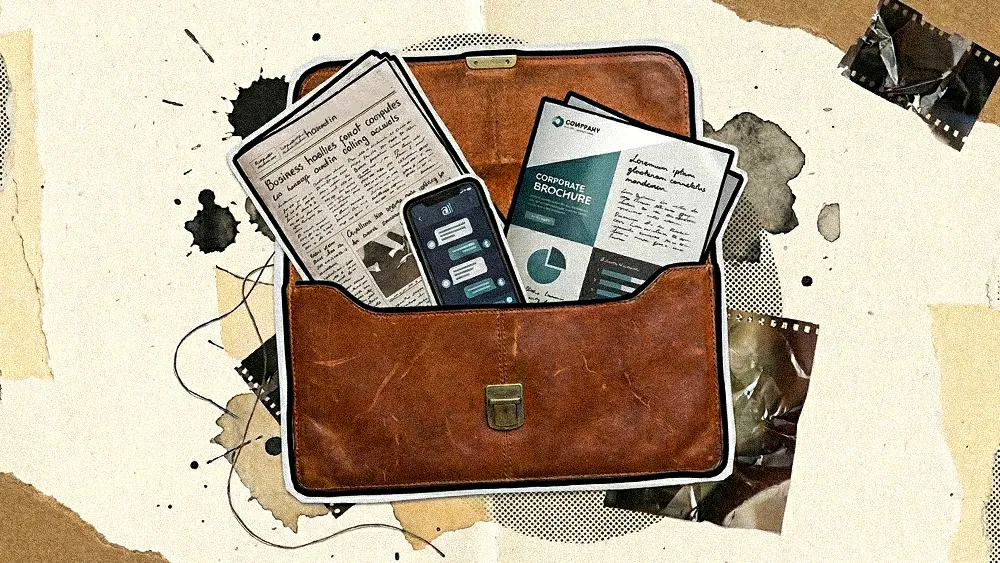
PR's central deliverable, getting a client noticed by the right audiences, is being rewritten by AI. Search has stopped meaning a list of blue links. Tools like ChatGPT, Gemini, and Perplexity now sit between brands and the people researching them, deciding which sources surface inside an answer and which fall away. Ask two of those tools the same question about the same company, and the answers will often diverge, which means a brand cannot check one model and assume it is positioned cleanly across the rest. Press releases, corporate websites, and earned coverage all turn up as authoritative sources, sometimes in the same answer, sometimes not. Visibility has stopped being a single number and started being a portfolio of citations across platforms that do not agree with each other.
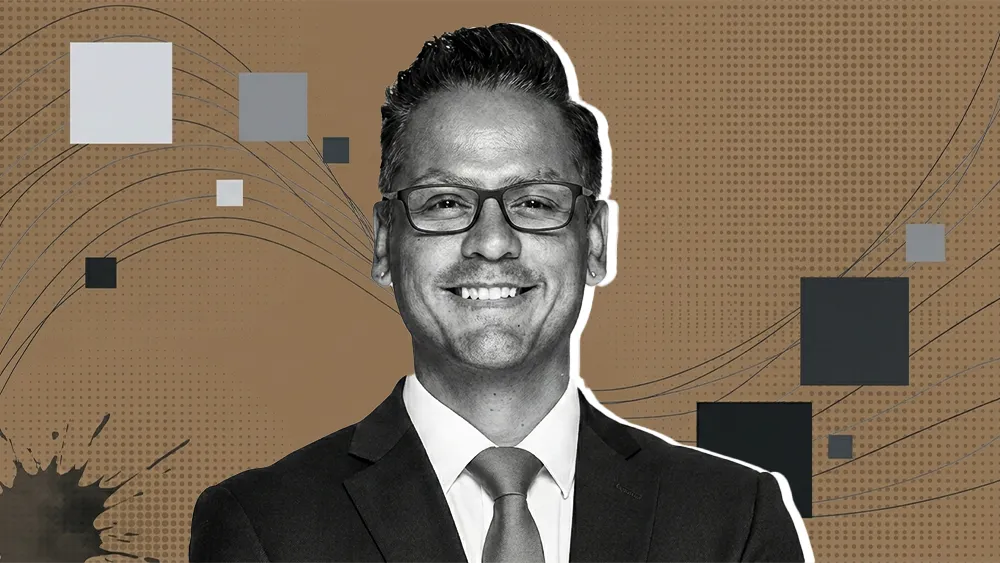
Janine Savarese, Executive Vice President at strategic marketing and communications agency Highwire and CEO of tech-focused boutique NextTech Communications, is fielding that uncertainty from clients daily. She brings more than 20 years of corporate reputation and media relations experience, including a recent spot on Ragan's 2025 Top Women in Marketing list. A recent demo of an LLM citation tracking tool sharpened her sense of where the discipline has to go next, and that is into the mechanics of how AI assembles its answers in the first place. "There's another overlying aspect to paid, earned, shared, and owned. The question now is where AI is pulling that content from," says Savarese.
Nobody is the expert yet
Savarese is direct with clients that the field is too new and changing too fast for anyone to claim full authority. One client recently came to her team for help on AEO and GEO, and Savarese set up a working session rather than offering a packaged service. "There's really no one out there who has become an expert necessarily, because it's evolving so quickly. We have a call with them in a couple of weeks, their marketing team and their comms team, and we'll figure it out together," she says.
That stance reframes what counts as senior counsel in the AI era. Communications professionals who admit the playbook is still being written, then commit to writing it alongside their clients, end up further along than firms that bluff. Treating AI as a shared learning curve also lowers the barrier for practitioners to ask questions out loud, both inside the agency and with the clients sitting across the table.
The ad-based ChatGPT question
Most communications planning right now assumes the AI search environment looks roughly like it does today. Savarese is not so sure. She is already thinking through what changes when ChatGPT and other consumer-facing AI products start carrying ads, a shift that has been telegraphed but not yet implemented at scale. "When ChatGPT starts incorporating ads into their platform, what does that look like in terms of pulling content?" she says.
The downstream questions are budget questions. If paid placement starts influencing which sources surface inside AI answers, the line between earned and paid blurs further than it already has. Brands that have leaned on owned and earned visibility may find that strategy needs a paid layer to compete, while brands already heavy on paid may discover their content shows up in answers but lacks the credibility signals that earn citations on the editorial side. Savarese is asking the question early enough that her clients can start mapping scenarios before the change lands.
Closing the AI divide
Savarese borrows a frame from NYU Stern professor Vasant Dhar, an AI pioneer and the author of Thinking With Machines. His view is that AI access will increasingly separate the people who can use it well from those who cannot, and Savarese sees the same divide showing up in comms work. "We'll see a bifurcation of humanity, where those who have access to learning AI and incorporating it into their work will have an advantage over those who don't," she says.
That divide is a practical management challenge, one that rewards agencies and in-house teams who codify shared practices. It is also a challenge sitting squarely in front of Savarese right now. In January, Highwire acquired The Bliss Group, the firm that had absorbed her consultancy back in 2021 and rebranded it as NextTech Communications. The combination created a 250-person operation, with teams arriving from different habits, different tool preferences, and different levels of comfort with generative AI. Savarese is applying the same playbook she would prescribe to any client navigating change. Communicate, then communicate again.
"You can never over-communicate. We've held a ton of lunch and learn sessions to knowledge share and learn from each other's subject matter experts," she says. Joint meet-the-media sessions became another shared ritual, and the same instinct toward openness carries into client work, where Savarese flags AI-assisted research and briefing prep so clients always know when the tools are in the room.
Two sides of the AI coin
A meaningful chunk of Savarese's roster sits in cybersecurity, digital identity, and fraud, which gives her a daily view of how AI cuts both ways. Consumer-facing brands can lean into the playful possibilities of AI-generated imagery, as long as they disclose how the assets were made. The cybersecurity clients are dealing with the other end of the same technology. "AI-generated deepfakes are making fraud that much easier, from financial fraud to identity fraud to fake workers. It's created a whole other level of what can happen on the not-so-good side, alongside what can happen on the good side," she says.
The same agency might pitch a transparent, AI-generated brand spot for a consumer client one week and counsel a financial services firm through an AI-fueled fraud incident the next. As communications absorbs AEO, GEO, and whatever acronym follows, the practitioners who pair fluent tooling with sharp human judgment will be the ones defining what good looks like. "It is really fascinating to watch as we're learning this, because it is all changing so quickly," she says.