All articles
Internal Comms Leaders Lean On Crisis Response Tactics To Guide Enterprise AI Rollout
Cynthia Gutierrez-White, former chief spokesperson at the American Red Cross, draws on disaster response to show how communicators can steady organizations during AI rollout.
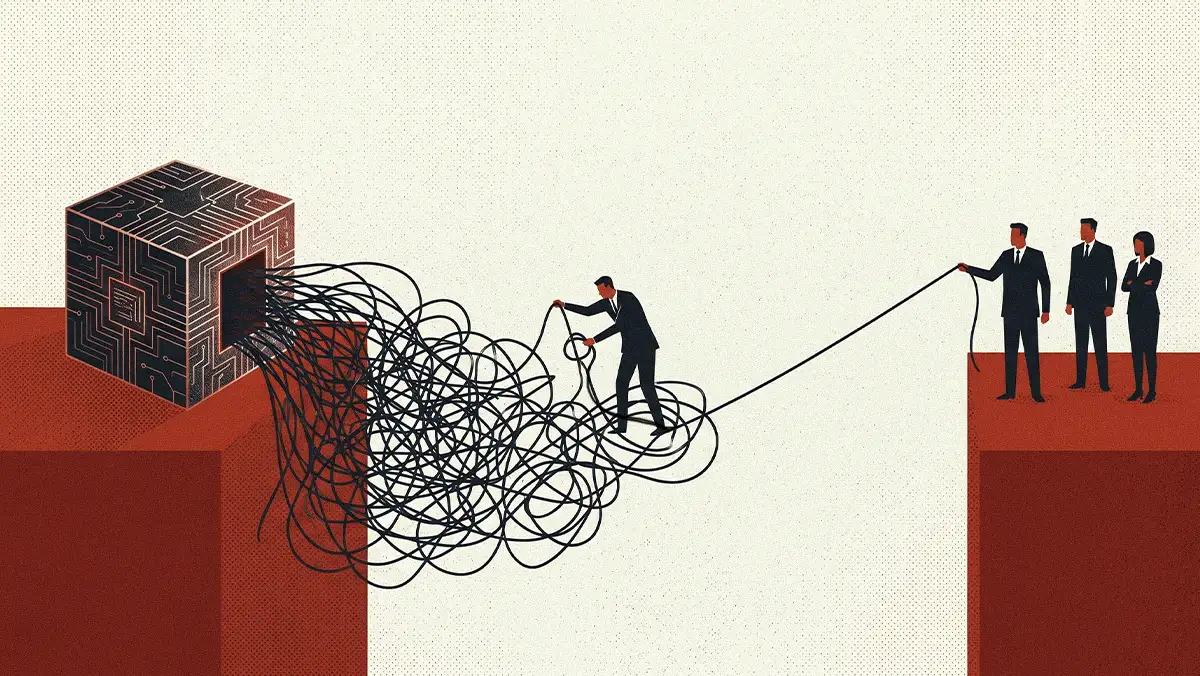
In crisis communications, the job is to bring clarity to chaos. That’s exactly what organizations need right now as they try to make sense of AI.

Cynthia Gutierrez-White
AI rollout inside the enterprise is like emergency response without the sirens. Information is incomplete, conditions keep shifting, and decisions move ahead anyway. Leaders are testing tools and adjusting as they go, while employees are left wondering what it means for their day-to-day work. That puts internal communicators in a tricky spot. They’re piecing together half-formed updates, turning evolving plans into something people can actually use, and keeping everyone steady while the ground keeps moving underneath them.
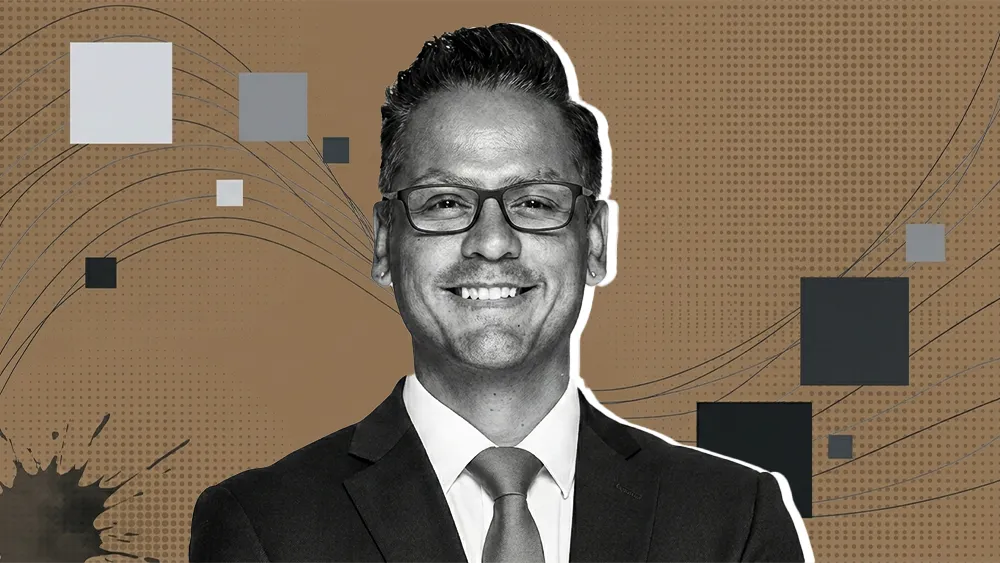
Cynthia Gutierrez-White brings a highly practical lens to this exact corporate headache. With more than 20 years of experience in public affairs, she served as the chief bilingual spokesperson for the American Red Cross, leading crisis communications during the 2011 Haiti earthquake relief effort. Her background also includes the role of Senior Director of Strategic Communications and Public Affairs at Johns Hopkins Medicine. Her award-winning book, Redefined: Finding Purpose and Power After Job Loss Amid AI Disruption and Market Uncertainty, uses her disaster response background as a strategic operational model for dealing with ambiguity. To frame how communicators can navigate this moment, Gutierrez-White draws on the exact same methodology she used during hurricanes and earthquakes.
"In crisis communications, the job is to bring clarity to chaos. That’s exactly what organizations need right now as they try to make sense of AI," says Gutierrez-White. In everyday life, AI is largely accepted as background infrastructure. Few people question the systems recommending what to watch, where to go, or how to learn. That changes quickly in the workplace, where those same capabilities begin to shape how work gets done and how roles evolve. As the technology continues to advance, communicators are being pushed to move beyond static messaging and toward ongoing guidance that helps employees keep pace with change.
Leadership in limbo: Inside organizations, the demand for clarity often arrives before leadership has fully defined a path forward. Employees look for direction and visibility at the same moment executives are still working through what AI adoption should actually look like in practice. Many leaders are navigating complex integrations, trying to layer new AI capabilities onto legacy systems that were never designed to support them. Progress can be uneven, and roadmaps remain fluid. "A lot of the C-level people don't know what the next step is. They are trying to navigate these uncharted waters to the best of their ability," Gutierrez-White notes. She also points out that AI has to speak with current technology, which sometimes proves difficult. "You have such old and outdated hardware, like old-time mainframes from the '60s, trying to speak to this new golden child of technology."
Blaming the weatherman: Understanding those constraints helps explain why AI announcements often outpace what IT departments can actually support. Gutierrez-White sees internal communicators as the bridge between cautious leadership and a workforce looking for answers. She compares them to a corporate weatherman delivering a forecast. That role comes with structural friction, which highlights why internal comms teams often benefit from getting involved early, using internal AI comms playbooks, and securing a seat at the table. "People blame the weatherman when the hurricane reaches a patch of warmer water, intensifies quicker, moves direction, and hits here as opposed to going there," she says. "They're going to say, 'You should have thought of that.'"
For communicators trying to move the conversation forward, Gutierrez-White recommends starting with what’s within reach. Managing up, supported by outside examples like PR teams already integrating AI tools, can help translate abstract discussions into something more tangible. At the same time, new data is shaping how those conversations land. Economic research shows that roles most exposed to task automation are disproportionately held by women, highlighting how the effects of AI may not be evenly distributed. "The biggest takeaway is that AI is not taking away jobs, it's taking over tasks," she emphasizes. "We need to take a deeper look at the tasks we do, because those are the ones that are going to be augmented and later on automated."
Beyond the basics: Gutierrez-White frames AI as a tool that rewards experimentation. Used thoughtfully, it can take on repetitive tasks and free up time for more complex work. Many internal comms teams are already putting that into practice, using AI to handle summaries, reporting, and other routine outputs. But unlocking that value requires more than surface-level use. It means pushing beyond default settings and understanding how the technology performs in real-world scenarios. Upgrading to more advanced models, she argues, is part of that process. "It's like the difference between a flip phone and today's iPhone."
Auditing the algorithm: Beneath the sci-fi hype, Gutierrez-White notes that AI functions as a sophisticated assistant that still relies on human judgment. In her view, the real opportunity lies in how professionals direct the technology to solve real-world problems. "There's no creativity in AI. It's literally a prediction tool that singles out patterns," she explains. "For attorneys, give it a contract and challenge it to find a clause that can be harmful for a client. If you are in marketing, give it the last quarter's numbers and tell it to find the story in the spreadsheet."
Communicators have the most impact when they’re involved early, while decisions are still taking shape. Proximity helps them guide how AI is understood across the organization, keeping teams aligned as things evolve. Expectations are changing, employees are figuring it out in real time, and what’s needed is steady, clear guidance, even with a lack of fully defined answers. Gutierrez-White describes the communications role as helping people make sense of change as it happens. "You see AI developing very much like a hurricane. Like a rapid-onset event, it's going to expose weaknesses in operations, in infrastructure, and in human resources," she concludes. "It doesn't matter if you prepare or ignore it, it's still going to impact you."