All articles
The News Doesn’t Wait, and Neither Can Comms Leaders: With Hitachi Vantara's Tony Buglione
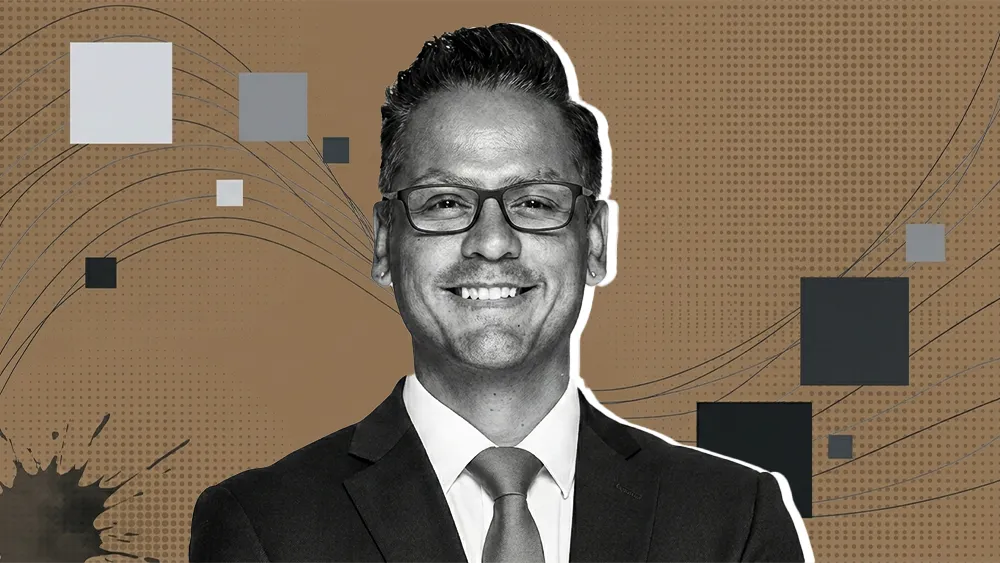
Tony Buglione, Senior Director and Global Head of Corporate Communications at Hitachi Vantara, is balancing speed, risk, and brand voice as communications teams scale content with AI.
Everything is happening in real time, so you have to find that balance, move quickly, and stay on top of things without getting ahead of your skis. And through all of that, authenticity is key.

Tony Buglione
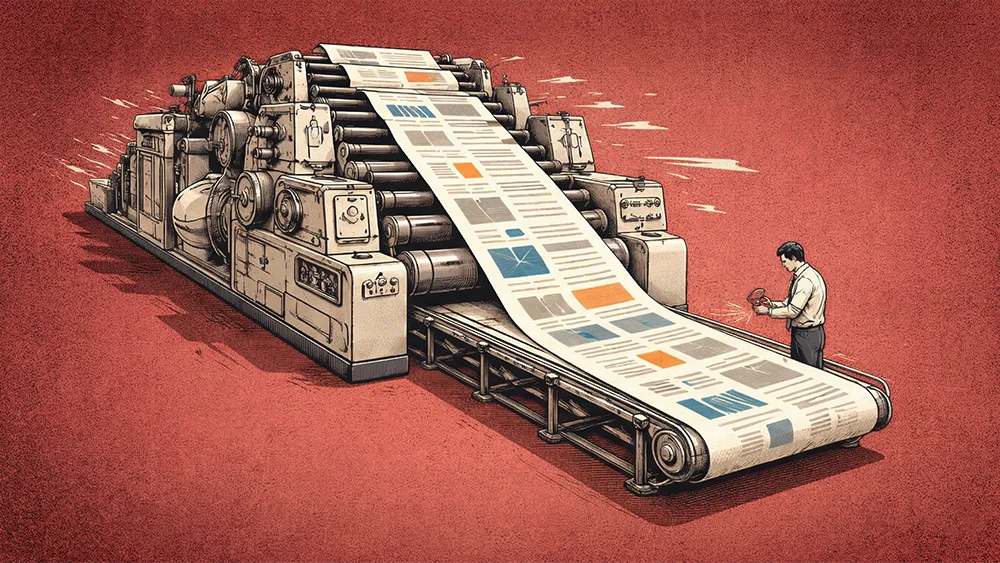
Communications leaders in 2026 are operating inside a news cycle that moves faster than traditional response models can handle. Anticipating conversations tied to global events, from geopolitical conflict to data resiliency, has become part of the daily workflow, while AI accelerates both the volume and speed of content production. In that environment, control comes down to human judgment, the ability to protect brand voice, ensure accuracy, and manage compliance while everything else speeds up.
Tony Buglione, Senior Director and Global Head of Corporate Communications at Hitachi Vantara, navigates those complexities every day. A communications leader with more than 20 years of experience spanning PR, crisis management, and M&A, including positions at Unisys, MS&L, and Ruder Finn, he brings a strong risk and compliance perspective to AI. His role centers on global media relations, where speed is essential but brand protection stays a non-negotiable.
"Everything is happening in real time, so you have to find that balance, move quickly, and stay on top of things without getting ahead of your skis. And through all of that, authenticity is key," says Buglione. This new pace puts added pressure on communicators to stay grounded in authenticity while moving quickly. Buglione emphasizes that instinct remains one of the most valuable tools in the role. As traditional newsrooms have scaled back over the past two decades, PR professionals are increasingly responsible for shaping, vetting, and refining their own narratives. The result is a function that operates with both the speed of a newsroom and the discipline of an editorial desk.
Who you gonna call?: Survival in a hyper-fast news cycle demands bulletproof internal infrastructure. Because professionals often get drawn into their own specific tasks and immediate to-do lists, Buglione wires together a cross-functional network that spans social, executive support, and brand teams. That integration allows his department to securely tap into in-house experts long before a narrative breaks. By scanning headlines and anticipating when issues like cyber attacks might follow geopolitical tensions, his group develops a point of view to pitch as soon as a story hits. "We now have a stable of eight to 10 different leaders, and we've mapped different storylines to each of them," he explains. "This is the prep work required to know exactly who to turn to in any given scenario."
For teams juggling multiple priorities, Buglione notes that AI acts as a useful backend tool to turn content out quicker and support that cross-functional network. He observes that the enterprise tech sector is already experiencing a pivot toward a more agentic push, relying on self-sustaining models that handle tasks without constant prompting. Alongside that technological evolution, he stresses that strict editorial oversight keeps the output locked in the company’s voice while mitigating the operational friction of hallucinations. "When you're moving so fast, being able to turn content out quicker is absolutely a positive," Buglione notes. "But you still need that editorial view to ensure the content is in our voice, that we're saying the right thing, and to remain mindful of risks like hallucinations."
Loose lips sink deals: Drawing on his background managing global media relations for corporate acquisitions, Buglione says the same tools that speed up work also introduce serious compliance variables. In his view, protecting brand reputation and sensitive financial data requires establishing firm guardrails. Because his department shares assets across integrated PR, social, and brand teams, a misstep with confidential information could quickly create reputational and regulatory problems. Managing that risk means institutionalizing clear rules across the enterprise. "I can't just put information on a potential deal into ChatGPT and ask it to write a press release," he says. "What if that data gets out into the ecosystem? If the deal falls through, there is a huge risk from both a compliance and a misinformation standpoint."
Ghost in the machine: Keeping the human element intact in an AI-driven workflow comes down to clarity and discipline. As these tools become standard, communicators are spending less time debating adoption and more time refining how they are used. That includes defining brand voice, understanding the audience, and setting boundaries for where automation fits. "I use AI every day, as I'm sure many people in our field do, but from what I've seen, there still needs to be that human element," Buglione observes. "I don't think it can replace what we do. You can make it smarter and stronger by prompting and working on how you train it, but there's still that intuition, knowing the audience and knowing the brand."
At the core of Buglione’s approach is preparation. He starts each day by reviewing major headlines and LinkedIn trends, looking for intersections with Hitachi Vantara’s areas of expertise. With a network of subject-matter experts and pre-prepared commentary in place, his team is positioned to respond quickly as stories develop. The structure is deliberate, but the final decisions rely on something more instinctive. "I think it all goes back to that point about intuition," he concludes. "Trusting your gut, knowing your audience and your brand, I think that's the North Star. It's incumbent on us as comms professionals to keep our finger on the pulse, think ahead, and be proactive. The industry is moving so fast that the only way you can keep up is by doing the legwork beforehand."