All articles
How Comms and Marketing Intersect to Power the Chickasaw Nation's Community-Led Tourism Growth
Kelli West, Senior Manager of Tourism Communications for the Chickasaw Nation, says the nation is redefining visitor engagement by coordinating messaging, consulting community leaders, and crafting experiences that respect heritage while supporting local prosperity.
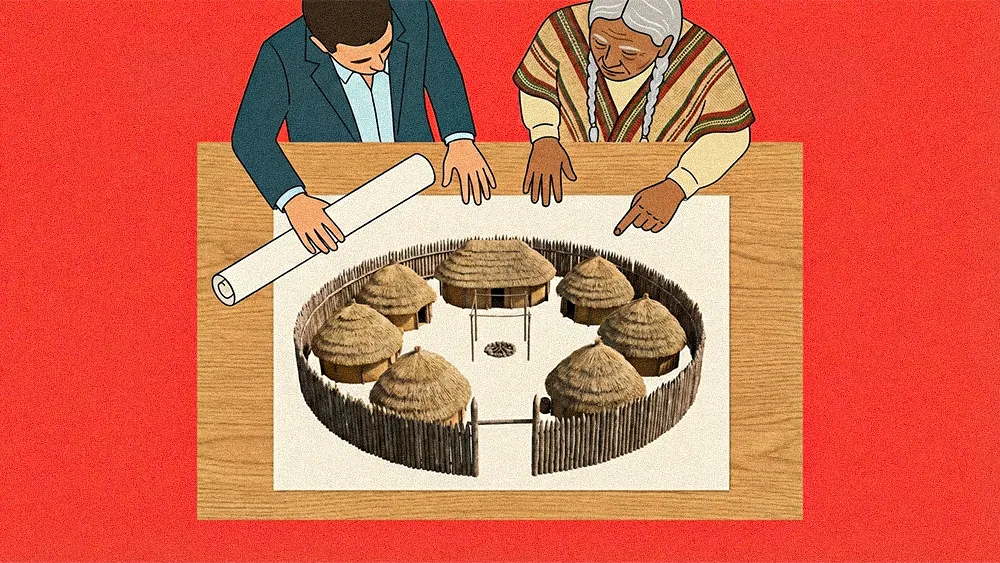
We’ve aligned the destination marketing and destination management because if the community isn’t aligned, tourism doesn’t work.
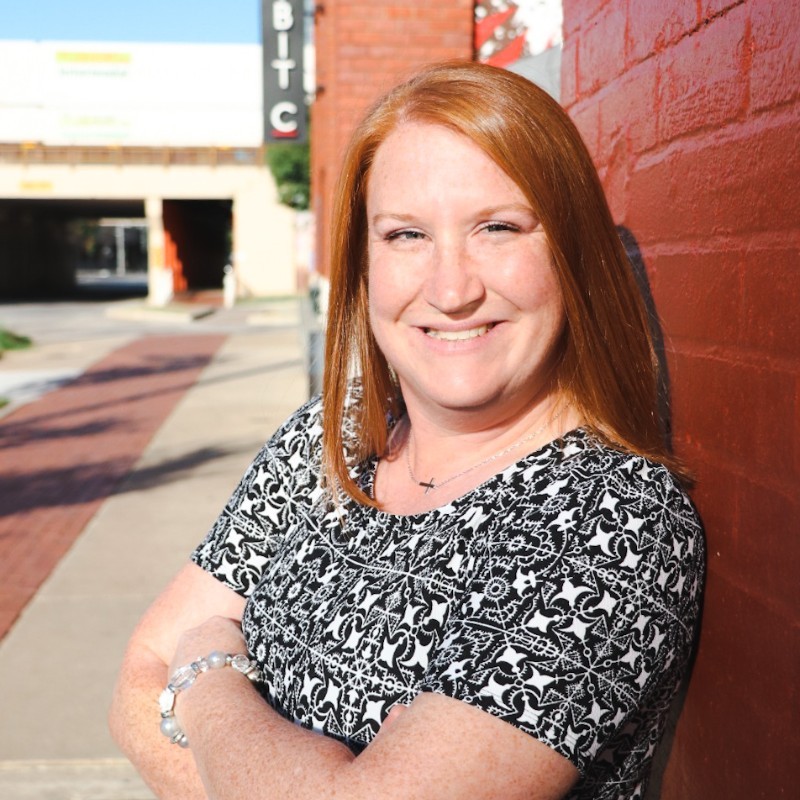
Kelli West
Tourism only works when the community does. The Chickasaw Nation has always focused on promoting the destination aligned with destination management. This has always been Governor Anoatubby’s vision for tourism. Rather than separating promotion from management, the Nation integrates both to ensure growth strengthens heritage and earns resident trust.
Kelli West, Senior Manager of Tourism Communications for the Chickasaw Nation, has spent over 15 years in tourism marketing and public relations, holding an Accreditation in Public Relations and a Tourism Marketing Professional designation.
"We’ve aligned the destination marketing and destination management because if the community isn’t aligned, tourism doesn’t work," West says. The model prioritizes resident buy-in and shared voices and experiences, creating a framework where cultural integrity and visitor engagement coexist. Slowing campaign timelines and rejecting stock imagery ensures immersive experiences are authentic, not commoditized.
The secret sauce: "There is nothing worse than harming a tourist’s trust by showing up, and the reality doesn’t match what they were promised," she says. Tourism promotion without oversight can damage credibility and erode confidence, but accurate storytelling and operational checks help close those gaps, protecting both residents and visitors.
History in motion: At the Chickasaw Cultural Center, visitors can join stomp dances, taste traditional meals, and explore a traditional village. "We tell the story with great respect, consulting our historians, culture bearers, and storytellers to ensure it is accurate. Tourism communications isn't just about bringing people in anymore. It's about sustaining culture, telling the stories communities want told, and creating experiences that are authentic and memorable for generations to come," West explains.
The Chickasaw Nation approaches tourism as relationship-building, connecting economic impact with cultural respect and mutual benefit. For culturally sensitive or sovereign destinations, rushed campaigns can backfire.
The right storyteller: "When you work with indigenous communities, you need to make sure all players and partners are at the table. If you haven’t done the research or spoken with people who have lived that story, you aren’t doing them justice; it’s their story. Tourism revenue must benefit the community equitably." West adds. Careful pacing ensures campaigns reflect the community's priorities while setting realistic visitor expectations.
Protecting culture is at the heart of modern tourism communications. The Chickasaw Nation combines operational discipline, shared experiences, and community alignment to ensure economic growth reinforces heritage. "Every story we share carries responsibility. Our role is to protect the community's voice while welcoming visitors. Tourism succeeds only when respect, accuracy, and trust guide every decision," West concludes.