All articles
Reputation-First Communications Strategy Guides Modern Tourism Growth
Lauren Salisbury, Vice President of Communications at Santa Monica Travel & Tourism, explains how more informed travelers are reshaping destination marketing and shifting the focus from broad reach to targeted, people-centered storytelling.
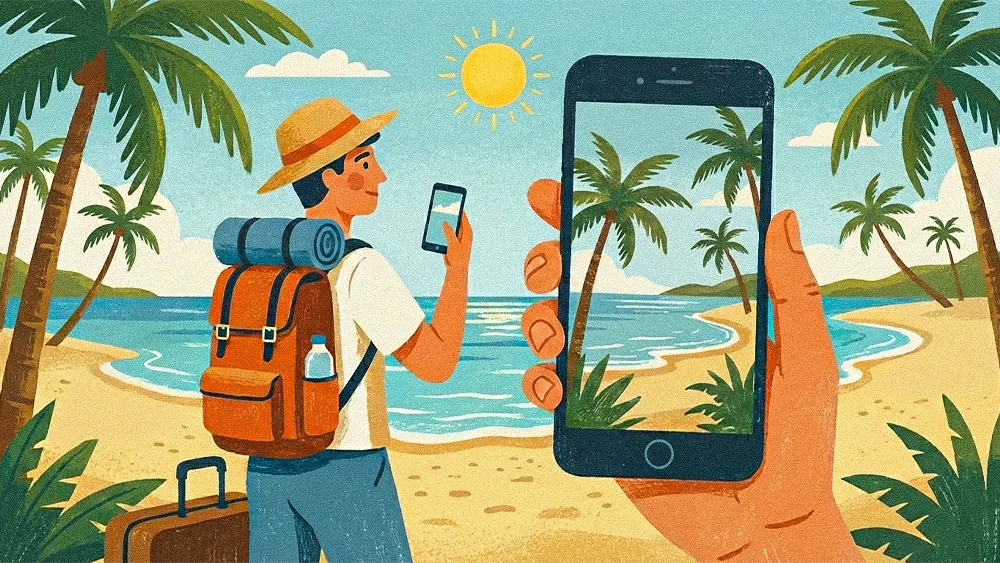
Maintaining relevance in an increasingly crowded and fragmented landscape has never been more challenging. Protecting and strengthening destination reputation is a top priority.

Lauren Salisbury
Tourism marketing now runs on credibility. Travelers are vetting destinations for safety, sustainability, and community impact, and they are fact-checking what they see before they book. In a crowded, fragmented media landscape and a cautious economy, reputation drives conversion. That shift is pushing destination marketers to prioritize consistent messaging, transparent storytelling, and people-driven narratives that prove a place’s values at every touchpoint.
Lauren Salisbury, Vice President of Communications at Santa Monica Travel & Tourism, is paying attention to what's changing in consumer sentiment to influence her own strategy as the city competes for visitors. A former journalist with 15 years in the travel industry who has traveled to more than 100 countries, she understands how travelers evaluate where to spend their time and money. Her track record includes forging celebrity partnerships around Super Bowl LVI and securing top-tier media placements that elevate destination credibility, and right now, she says, reputation matters more than ever.
"Maintaining relevance in an increasingly crowded and fragmented landscape has never been more challenging. Protecting and strengthening destination reputation is a top priority," says Salisbury. She believes good reputation is built on the principle of making work that reconnects us with our shared humanity.
Salisbury offers a few tips for building trust to draw in tourists: for one, prioritize authenticity. For Salisbury, earning trust through authenticity is a long game, something that can only be built by being transparent about a brand's principles and maintaining messaging consistency across all platforms. Her approach aligns with a wider digital revolution in travel marketing that values transparent communication.
The trust trifecta: "Credibility is built through consistency, transparency, and authenticity," she shares. That means being an information resource to your customers. "We view our social media channels as tools to not only share the best of the destination and aspirational video content, but also to be a source of information in a crisis. We want travelers to know that they can trust us to showcase a realistic picture of the destination and provide timely and reliable information when needed."
Consumption to connection: Travelers are more informed and more selective, which is exposing the limits of one-size-fits-all destination marketing. “Traveler expectations are shifting from passive consumption to active connection,” Salisbury says. She explains that audiences want meaningful, value-driven experiences, not generic highlights, and that shift creates an opening for brands willing to invest in authentic narratives, emotionally resonant storytelling, and tailored messaging that gives distinct visitor segments a clear reason to choose one destination over another.
In Santa Monica, Salisbury is building authenticity and credibility by elevating the city's own tastemakers. The destination's marketing campaigns and social content connect local, influential faces to its brand, creating a compelling narrative that stands out in a market heavily influenced by trends like Instagram tourism. The strategy is built on creating the kind of original, authentic content modern travelers now value.
Proof in the people: "In Santa Monica we lean into people-driven storytelling and amplify the voices of our city’s talented chefs, artists, hoteliers and other taste makers to showcase the experience of our beachside city with credible and interesting faces," Salisbury shares. The goal of this overall strategy, she notes, is to show people what Santa Monica has to offer and connect them to authentic culture. The marketing aims to make visitors feel prepared and excited—a feeling that must be reflected in every touchpoint to build lasting trust.
The future of tourism marketing requires a varied approach: looking ahead, Salisbury notes that this is due to a structural shift in the media landscape. The shrinking size of newsrooms worldwide makes it harder to secure editorial placements. That reality, she explains, elevates the importance of building a more direct, human-centric strategy to gain visibility. "Forging genuine relationships with writers is increasingly important, as is looking for new outlets that reach niche travel segments," she explains. Instead of relying on larger media outlets to gain attention, the trick today is to diversify in order to attract a new flock of keen tourists.